
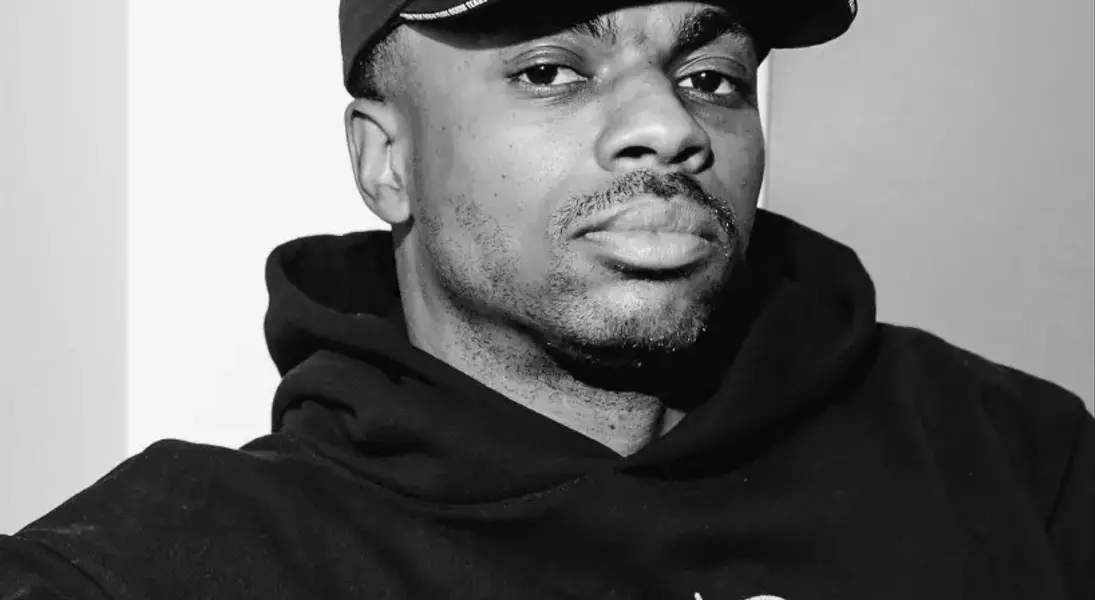
Vince Staples, known for his incisive commentary and multifaceted artistic vision, recently offered a deep dive into his creative process, particularly regarding his latest album, "Crybaby." The record, which boldly defies traditional genre boundaries by incorporating elements of punk, funk, and jazz, stands as a testament to his evolving musical journey. Staples' discussion spans from the intricate origins of his songs to the demanding realities of life on the road, alongside his unconventional perspectives on music categorization, audience interaction, and the societal lens through which Black artists are often viewed.
Staples' musical journey is marked by a consistent evolution, with early tracks like "Nate" and "Blue Suede" showcasing his ability to narrate West Coast street life through a literary framework. His latest endeavor, "Crybaby," continues this tradition, presenting a dynamic blend of sounds that reflect a broad spectrum of influences. He revealed that many tracks on the album have a long gestation period, with some dating back several years, illustrating a meticulous and patient approach to his craft rather than an impulse for instantaneity.
During a candid conversation at New York's Cherry Lane Theatre, Staples shed light on the economic realities and personal motivations driving his touring endeavors. He emphasized the significant financial and logistical challenges artists face when planning tours, covering everything from transportation to insurance and compensating band members. For Staples, the decision to tour is deeply rooted in passion; he views the live performance as a reciprocal exchange, where his artistic contribution is met with audience appreciation, achieving a state of equilibrium between creator and consumer.
The album's opening track, "Blackberry Marmalade," distinguished by its first-person shooter video aesthetic, serves as a poignant example of Staples' layered artistry. He shared that the song was pieced together from various fragments over time, highlighting his method of building complex narratives. A particularly striking element of the song, an N-word chant, provoked a discussion on racial commentary within his work. Staples stated that his lyrics are an authentic expression of his lived experiences as a Black man, reflecting his "truest thoughts or emotions" without excessive deliberation over external perceptions or the "white gaze."
Staples maintains a pragmatic view of his audience's feedback, asserting that critiques are often based on preconceived notions rather than a profound understanding of music. He dismisses the idea of conforming to genre expectations, viewing them as restrictive labels rather than fundamental truths. This perspective extends to his past experiences with record labels, which, he claims, sometimes favored specific musical styles from Black artists for commercial reasons. Staples remains steadfast in his belief that music should transcend such boundaries, drawing parallels to artists like Ray Charles, who seamlessly navigated various genres.
His recent work on "The Vince Staples Show" for Netflix has also influenced his approach to music production, enhancing his understanding of efficiency and the importance of revision. Despite his success, Staples considers himself a "smaller artist," valuing the ability to lead a normal life away from the spotlight. He approaches live performances as a professional responsibility, striving to offer varied and engaging experiences for his audience, recognizing the need to evolve and adapt to maintain relevance and connection in a dynamic industry. Staples believes that the continuous creation and sharing of art form a balanced relationship with the audience, where both parties derive value from the exchange.
Vince Staples' musical philosophy emphasizes sincerity, a refusal to be confined by genre, and a profound understanding of the business and artistic aspects of his career. His insights reveal an artist deeply connected to his roots yet unafraid to challenge conventions, fostering a unique and enduring legacy in the music world.